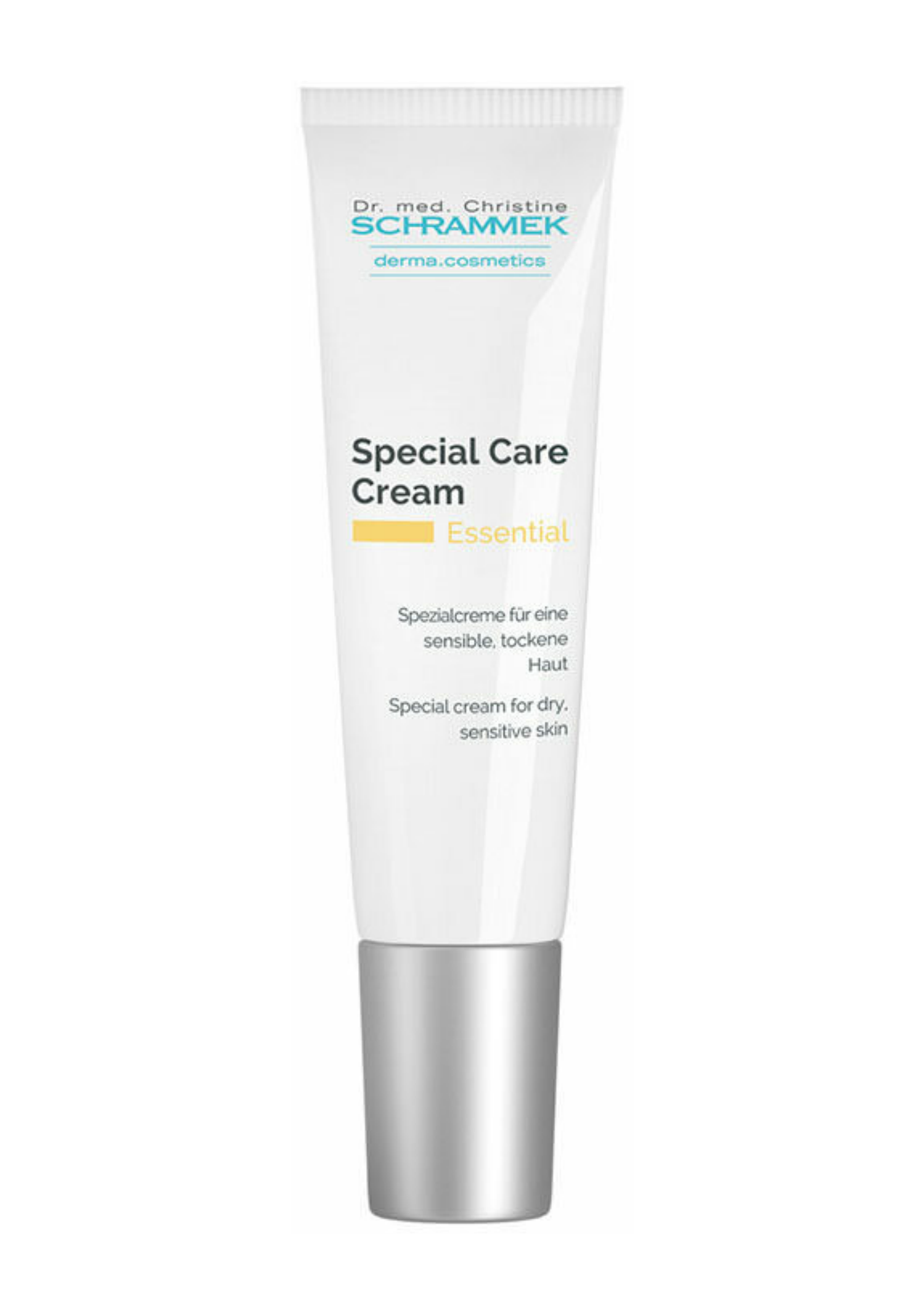
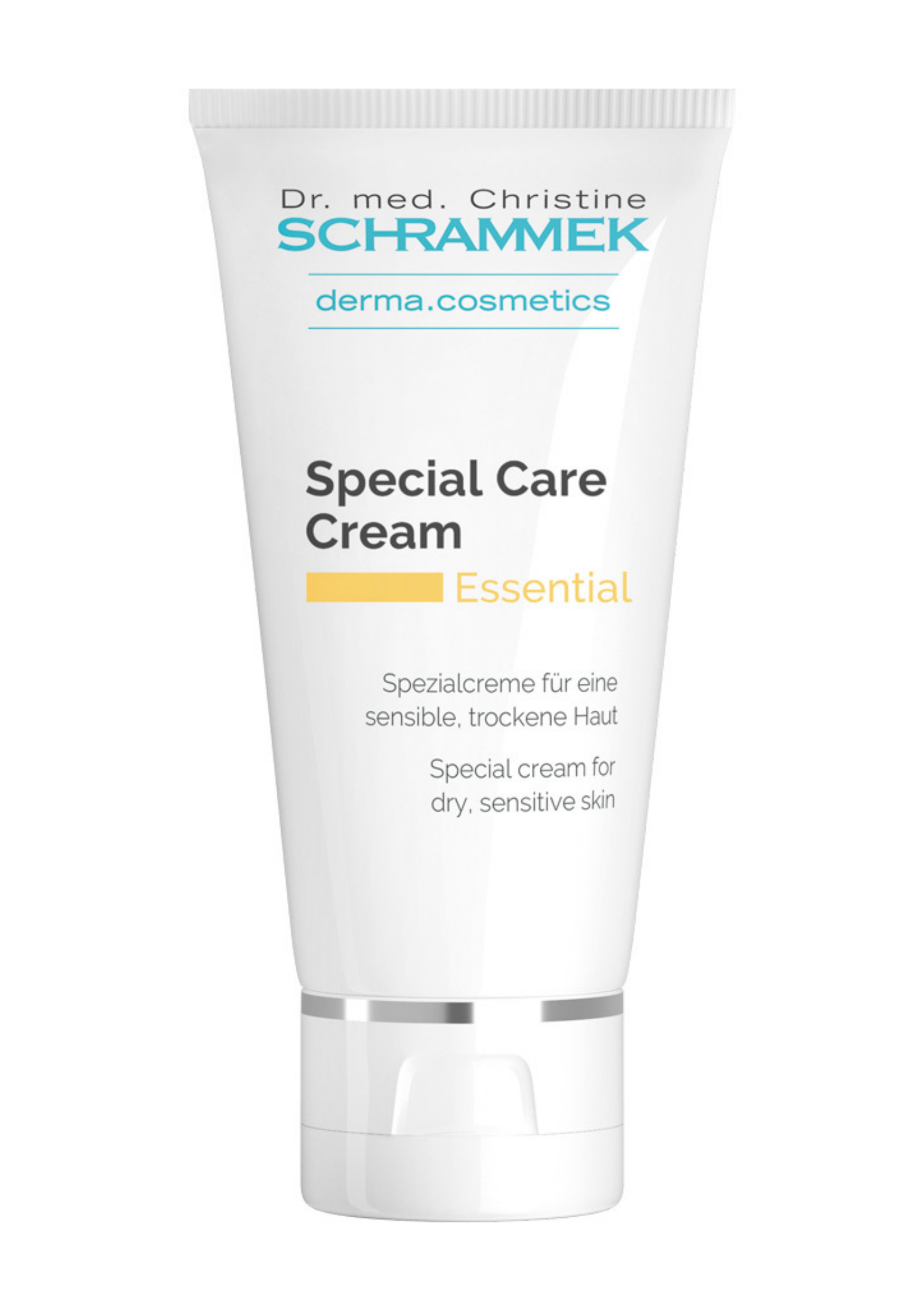
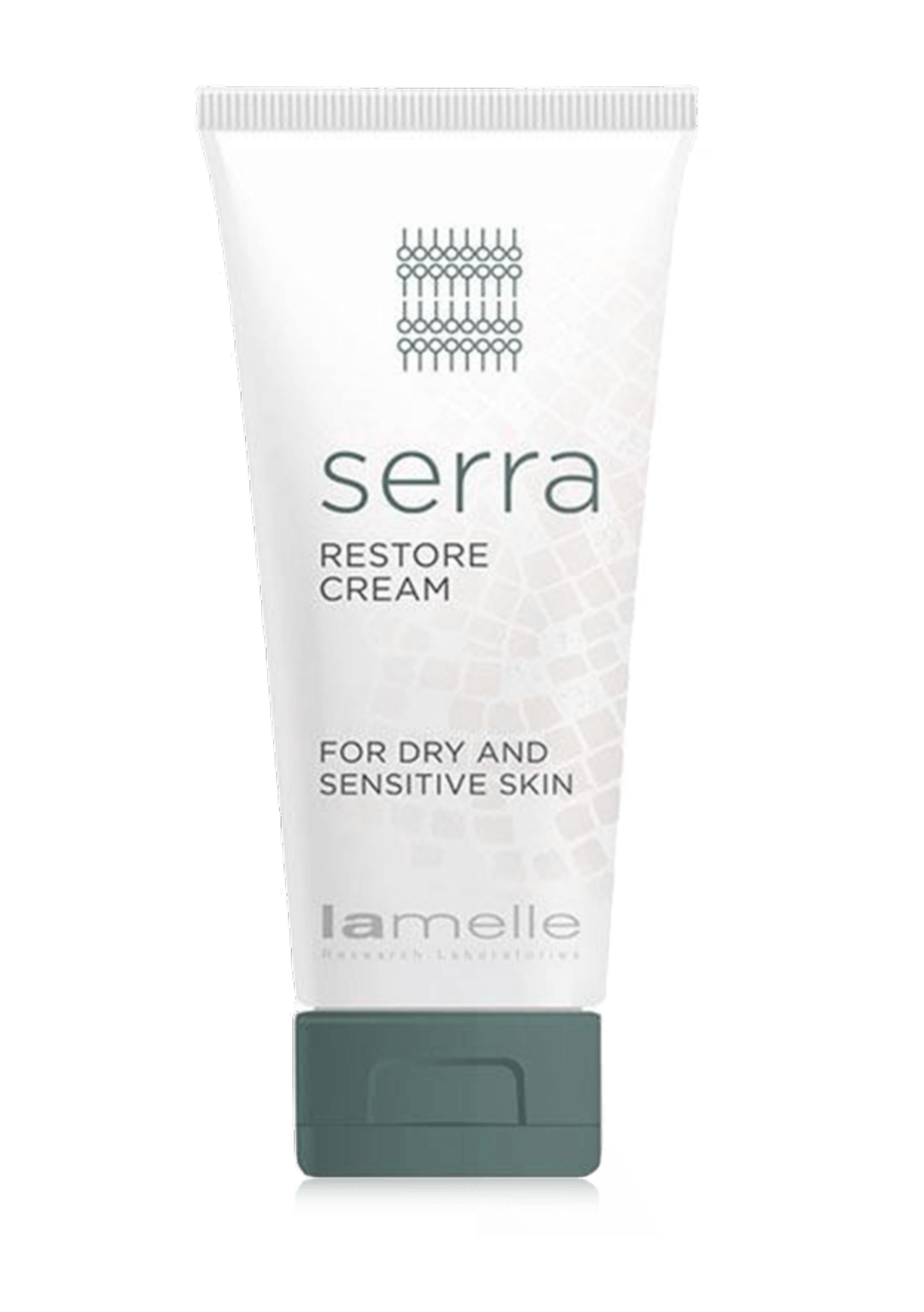
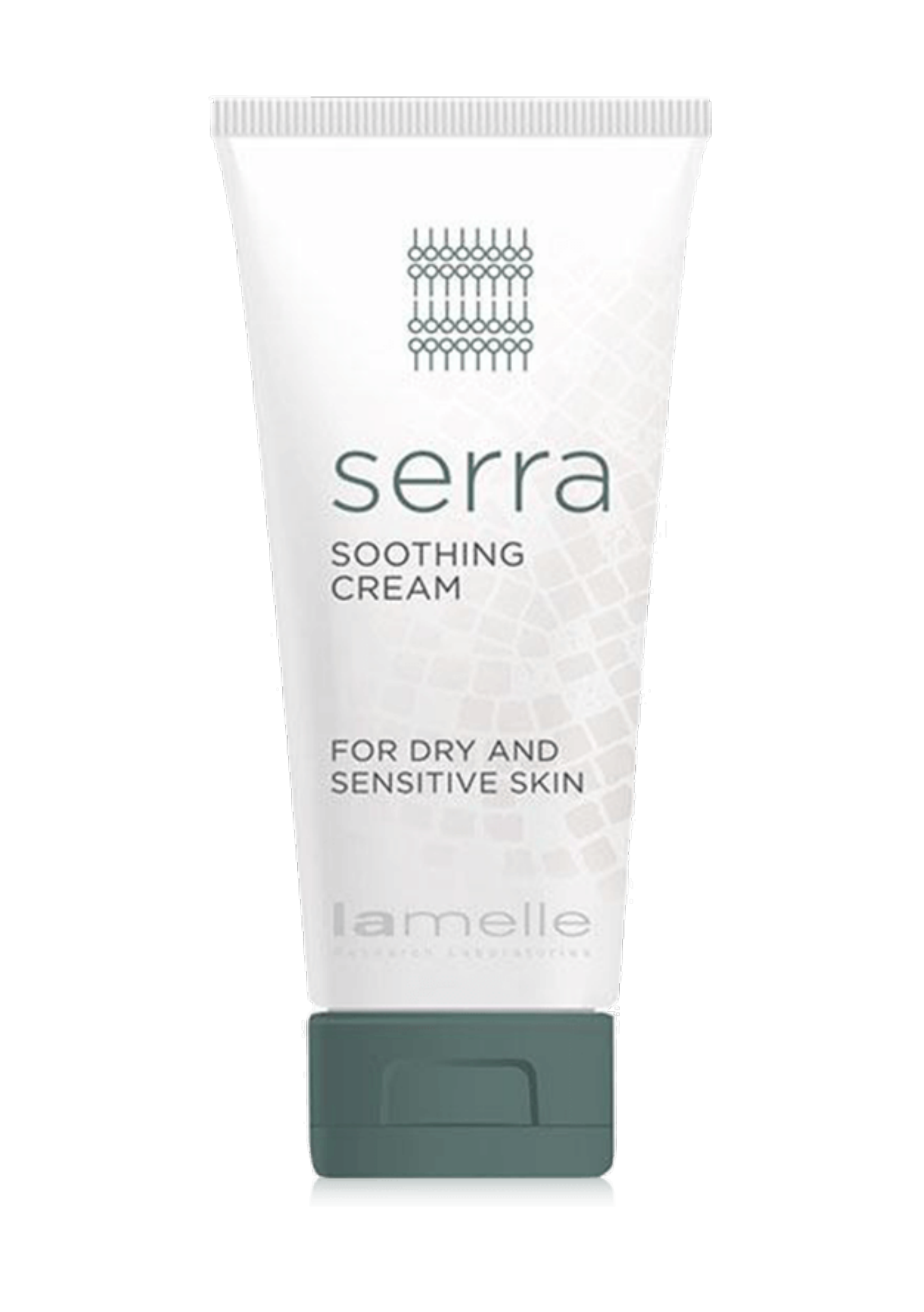
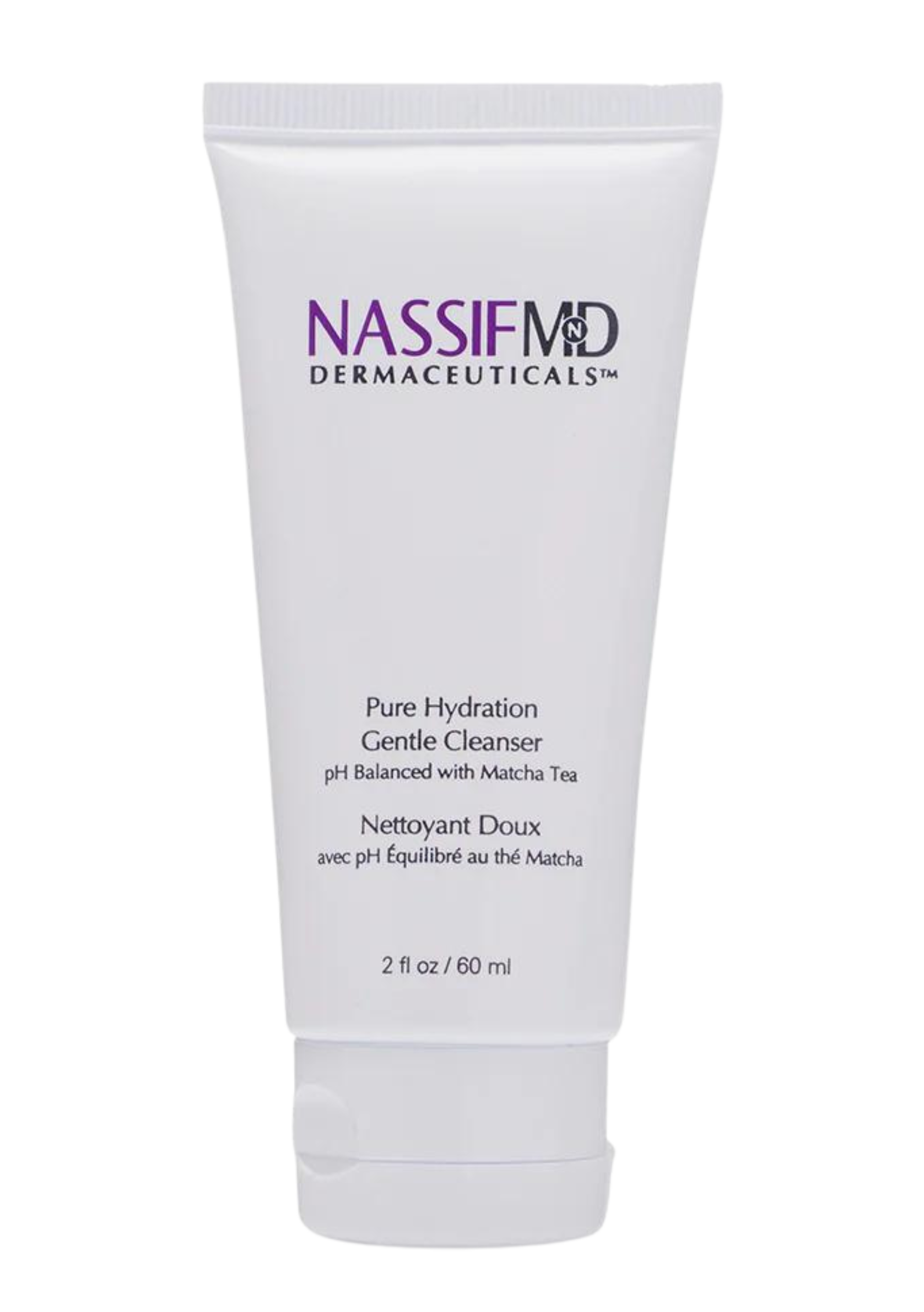
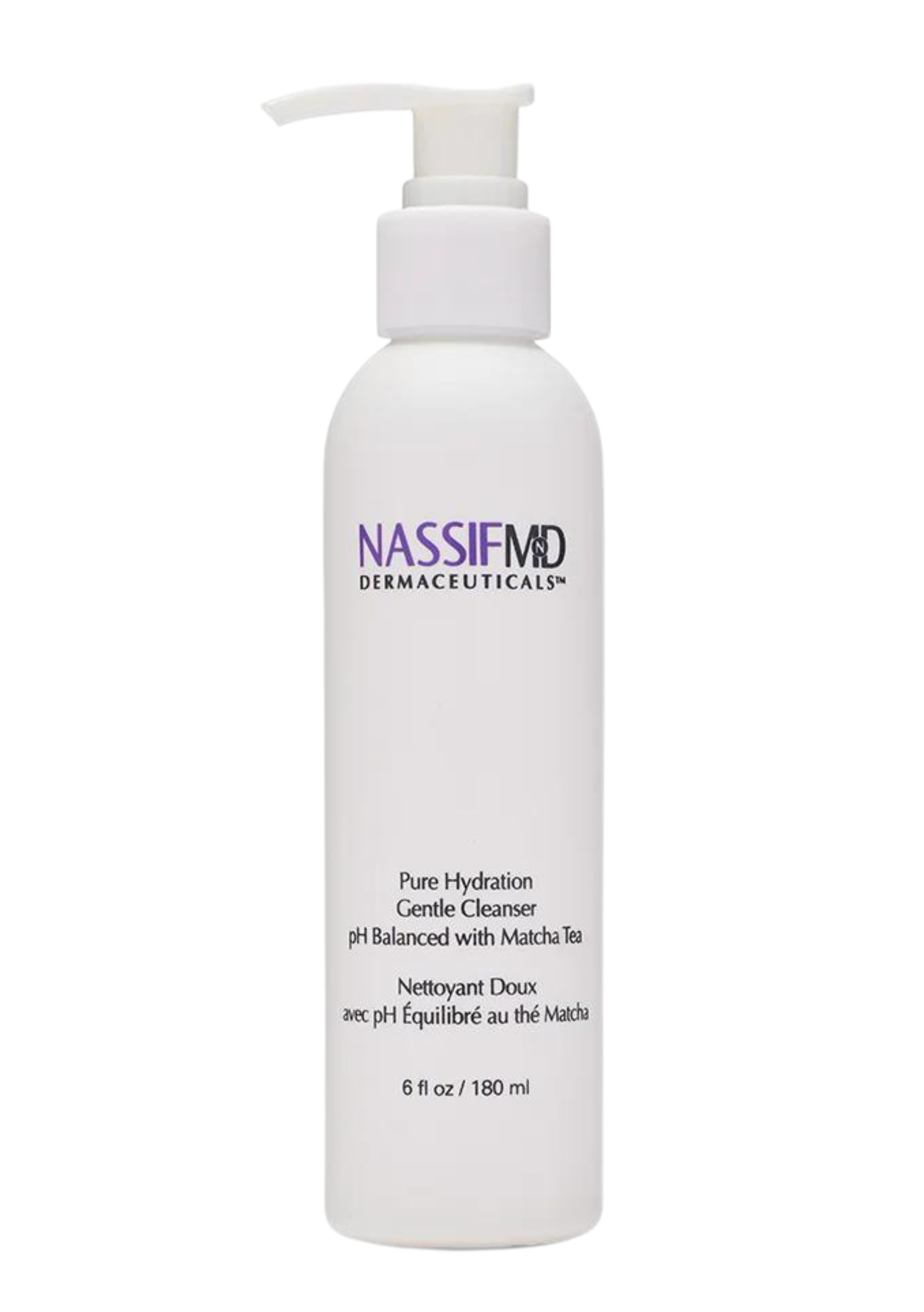
Sensitive skin is characterised by an increased tendency to react to factors that would not normally cause irritation. Individuals may experience redness, burning, stinging, itching, tightness, or discomfort in response to skincare products, environmental conditions, temperature changes, or other triggers.
Sensitive skin is not considered a skin type, but rather a skin condition that can affect oily, dry, combination, or normal skin. It often reflects an impaired skin barrier or underlying inflammation that leaves the skin more vulnerable to external stressors.
Sensitive skin can develop for a variety of reasons. In some individuals there is a genetic predisposition, while in others sensitivity develops due to environmental exposure, inappropriate skincare, or underlying skin conditions.
Common causes include:
Often, sensitivity develops due to a combination of factors rather than a single cause.
Sensitive skin presents differently from person to person. Common symptoms may include:
Symptoms may fluctuate over time and can worsen during periods of stress, illness, environmental change, or excessive use of active skincare products.
The skin barrier is the outermost protective layer of the skin. Its role is to retain moisture while protecting the skin from irritants, allergens, and environmental damage.
When the barrier becomes compromised, moisture escapes more easily and irritants can penetrate the skin more readily. This often leads to increased inflammation, redness, and sensitivity.
Current research highlights barrier restoration as one of the most important aspects of managing sensitive skin. Strengthening the barrier not only improves comfort but also increases the skin's resilience over time.
Sensitive skin may occur alongside a number of underlying skin conditions, including:
Because these conditions can present similarly, professional assessment is important to determine the most appropriate treatment strategy.
Managing sensitive skin requires a personalised and progressive approach. Rather than focusing solely on symptoms, treatment aims to identify and address the factors contributing to skin reactivity.
The primary goals are to:
Treatment recommendations are tailored according to the individual's skin condition, lifestyle, and treatment goals.
Depending on the cause and severity of sensitivity, recommended treatments may include:
A professional consultation allows us to determine which treatments are most appropriate for your skin.